Bur Oak
Scientific Name: Quercus macrocarpa
Category: tree
Brief Description
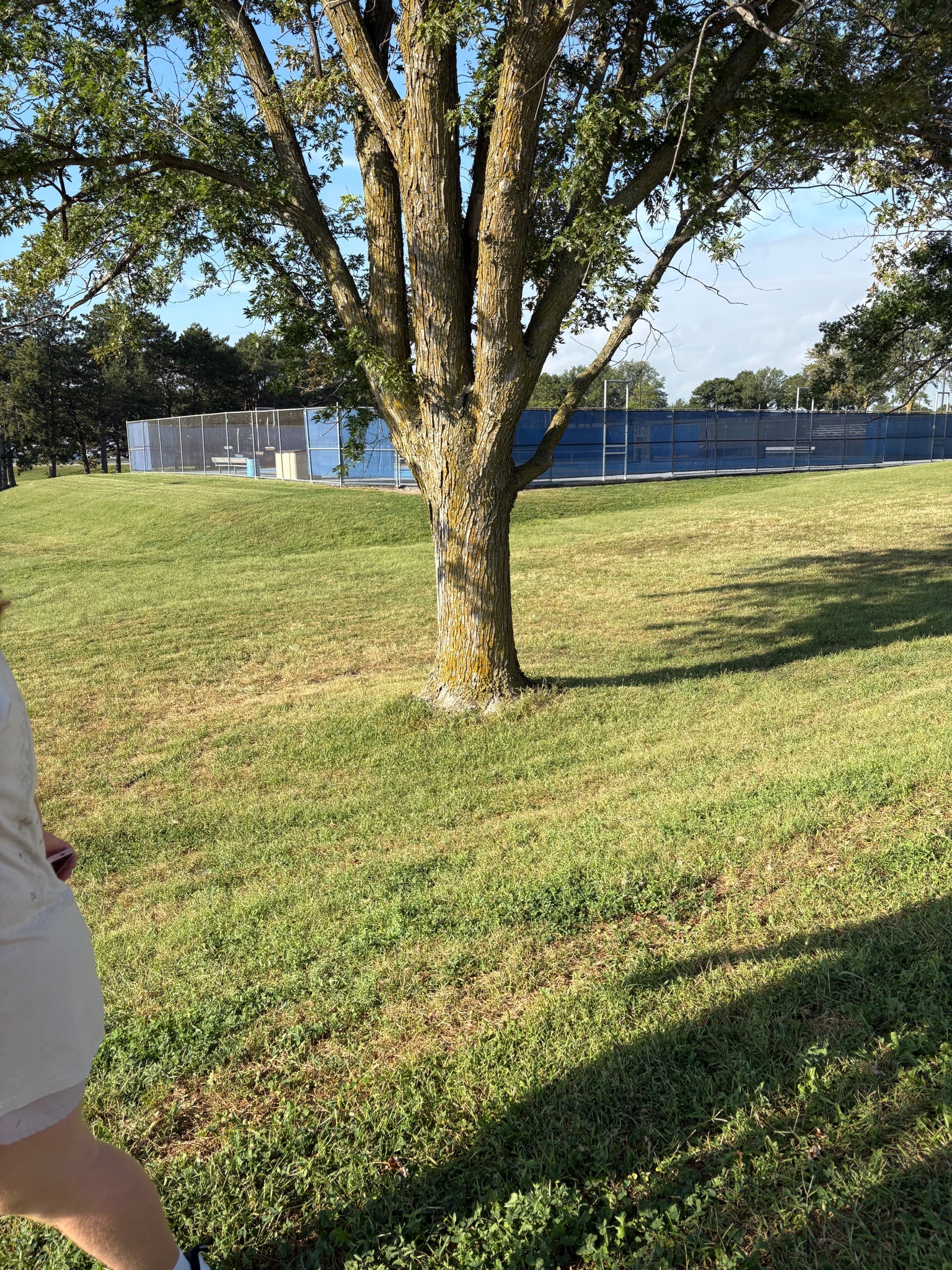
A large, majestic deciduous tree characterized by deeply furrowed, corky bark and deeply lobed leaves with a large terminal lobe.
Characteristics
Bur oak features thick, corky ridges on its branches and twigs, deep gray-brown furrowed bark, and large leaves (up to 12 inches long) that are wider near the apex and deeply notched. It produces the largest acorns of any North American oak, enclosed in a distinctive fringed or mossy cup.
Habitat
Found in open forests, savannas, prairie borders, and along streams, often tolerating dry upland soils and urban environments well.
When to Find It
Acorns mature and drop in autumn (September to October). Leaves turn yellowish-brown in fall before dropping.
Conservation Status
Least Concern
Ecological Role
Bur oaks provide critical food, shelter, and nesting sites for numerous birds, mammals, and insects. Their large acorns are a primary food source for squirrels, deer, turkeys, and blue jays.
Easily Confused With
Distinguished from other white oaks by its characteristically large acorns with fringed cups and the corky ridges on its smaller branches.
Observation Tips
Look for its broad, spreading crown and deeply furrowed bark in parks, golf courses, or remnant prairie-forest borders.
Interesting Facts
Bur oaks are exceptionally fire-resistant due to their thick bark and can live for several hundred years, sometimes over 400 years.