White Pine
Scientific Name: Pinus strobus
Category: tree
Brief Description
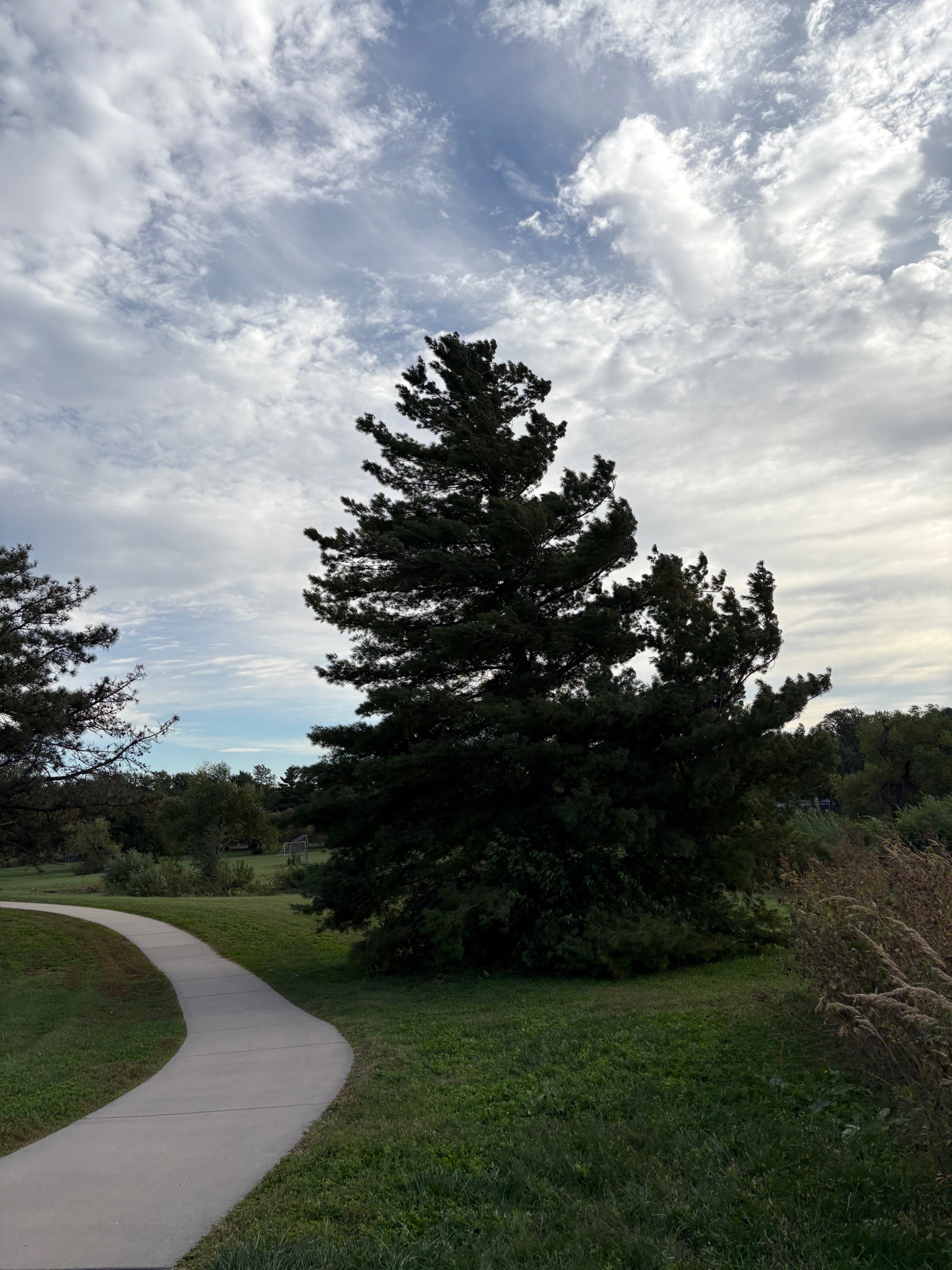
A large evergreen conifer tree characterized by soft, flexible needles bundled in groups of five and long, slender pinecones.
Characteristics
Can grow very tall with a straight trunk and horizontal branches arranged in regular whorls. Needles are bluish-green, 5-13 cm long, and bundled in fascicles of five. Bark on young trees is smooth and greenish-brown, becoming dark grey, deeply furrowed, and scaly on older trees.
Habitat
Found in a variety of forest habitats, ranging from well-drained upland soils to rocky ridges and moist bogs. Native to eastern North America.
When to Find It
Evergreen, providing visual interest and foliage year-round. Cones mature in late summer to early autumn.
Conservation Status
Least Concern
Ecological Role
Provides crucial cover, nesting sites, and food for numerous birds, mammals, and insects. Historically one of the dominant canopy species in eastern North American forests.
Easily Confused With
Other pine species, such as Red Pine (Pinus resinosa) which has needles in bundles of two and snaps easily, or Jack Pine (Pinus banksiana) with needles in bundles of two that are short and twisted.
Observation Tips
Look for the distinctive clusters of five needles, which is the easiest field mark for identification among eastern North American pines.
Interesting Facts
The Eastern White Pine is the tallest tree species in eastern North America and was historically harvested for ship masts by the British Royal Navy due to its great height and straightness.